
Solid vs. Engineered Hardwood: Which Performs Better in Southern New Hampshire Homes?
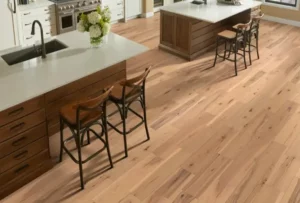
Choosing new hardwood flooring is one of the most rewarding investments you can make in your home, yet homeowners across Plaistow and Southern New Hampshire often face an immediate fork in the road: solid hardwood or engineered hardwood? While both options deliver the timeless beauty and natural warmth of genuine wood, their internal structures react differently to New England’s dramatic seasonal shifts, subfloor types, and architectural styles. Understanding how each is constructed will help you make a confident choice that lasts for decades.
How Solid and Engineered Hardwood Differ
At a glance, a finished solid plank and an engineered plank look virtually identical on the surface. The difference lies beneath the finish.
Solid Hardwood Construction
Solid hardwood is milled from a single piece of timber—such as red oak, white oak, maple, or hickory—typically three-quarters of an inch thick. Because the entire plank is solid wood from top to bottom, it can be sanded and refinished multiple times over its lifespan. However, single-piece timber naturally expands when summer humidity climbs and contracts when winter heating dries out the air.
Engineered Hardwood Construction
Engineered hardwood features a genuine hardwood veneer bonded to a multi-layered plywood or high-density fiberboard core. The core layers are stacked with their wood grains running in perpendicular directions. This cross-grain construction counteracts wood’s natural tendency to swell and shrink, giving engineered planks greater dimensional stability during humid July afternoons and crisp January mornings in Rockingham County and Northern Massachusetts.
Matching the Right Hardwood to Your Home’s Architecture
Southern New Hampshire and Northern Massachusetts feature everything from historic colonials in Haverhill and Exeter to split-level ranches and modern new construction in Plaistow, Atkinson, and Hampstead. Your home’s layout and subfloor play a major role in determining the better fit.
Best Applications for Solid Hardwood
- Above-grade living spaces with plywood subfloors: Living rooms, dining rooms, and second-floor bedrooms built over wood subfloors are ideal candidates for solid three-quarter-inch planks.
- Long-term ownership and future refinishing: If you plan to stay in your home for decades—or want the freedom to sand out deep scratches from pets and family traffic later—solid wood offers unmatched longevity.
- Matching existing historic floors: Older New England homes with original strip oak flooring often pair seamlessly with new solid planks of matching width and species.
Best Applications for Engineered Hardwood
- Concrete slabs and below-grade spaces: Walk-out basements, garden-level family rooms, and slab-on-grade additions carry higher ground moisture that can warp solid planks. Engineered hardwood is specifically designed to be installed over concrete or below grade.
- Wide-plank aesthetics: Wide planks (five inches or wider) showcase dramatic wood grain, but wide solid boards experience more noticeable seasonal movement. Engineered wide planks provide that sought-after look with far less expansion and contraction.
- Radiant heat systems: Many modern New England renovations incorporate hydronic or electric radiant floor heating. Engineered hardwood transfers heat evenly and handles temperature changes much more reliably than solid wood.
Practical Questions to Ask Before You Buy
Before committing to a specific product, evaluate three key factors in your home:
- Where is the room located? Keep solid wood strictly at or above ground level over wood subfloors, and choose engineered wood for basements or concrete foundations.
- How thick is the wear layer? If you lean toward engineered hardwood, ask about the thickness of the top hardwood veneer. Thicker wear layers (3mm to 4mm or more) can often be lightly refinished, giving you added durability alongside stability.
- What is your indoor climate routine? Regardless of which option you choose, maintaining consistent indoor relative humidity year-round protects your investment and keeps your planks looking smooth.
See Your Options in Person Before Deciding
Online photos can show you color, but comparing plank thickness, grain texture, and finish durability up close makes all the difference. For over 40 years, our team has helped local homeowners navigate product selection, free in-home measurements, and professional installation. Learn more about our history and commitment to quality on our About Us page, or stop by our Plaistow showroom—find our hours and directions on our Location page—to compare solid and engineered hardwood samples side by side with an experienced consultant.